Very few people have heard of DeKalb County, Tennessee, or realized that Alexandria, once a thriving 1800s community, holds stories worth preserving and inspiring support for local heritage efforts.
Like many rural communities in Tennessee, most of those still there can trace their roots back over the town’s 200+ years of existence. Amid the rolling hills, people take pride in their small community, claiming their space in Tennessee’s century-old farms and holding on to what their forefathers left them. Their 2nd great-grandfather’s will made it clear no road was to cut through their property.
They all know progress is coming, and in some ways, it is hopeful that it can raise DeKalb out of its 68th ranking for median income, with a per capita income of a little over $30,000 per year. However, with change comes fear of losing the heart and soul of what makes these communities work, and that is those who can best relate to Dolly’s husband, Carl Dean. Not everyone has a cell phone, and many don’t need that silly thing called the internet.
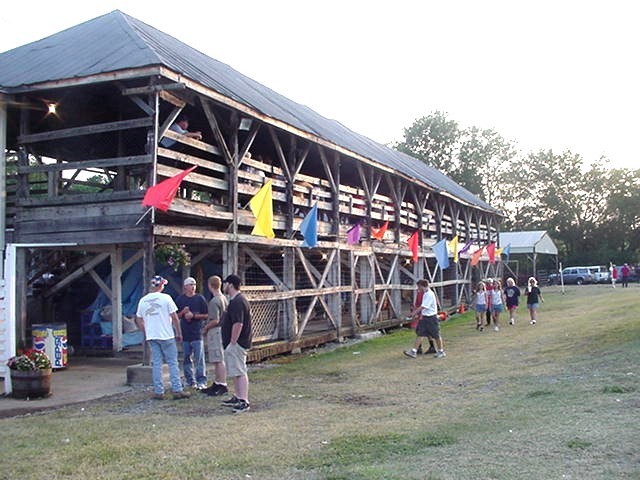
In these little communities, resources are hard to come by, both money and volunteer labour; when you have to choose between taking pride in your community and eating, you need to put that $5 into the fridge. You’re just too tired to help volunteer most nights, as the majority of those there work hard, long hours, and a lot of sweat equity.
But the pride the community has- pride in their heritage, their culture, their roots- is well-founded. Alexandria is home to some of the oldest homes in the county that are still standing, including one believed to be built in 1823; the newspaper behind the wallpaper on the log reads in the 1840s, so that date can’t be far off.
The county has been lucky to have amazing historians: Will Hale, Joreen Washer Parsley, Tommy Webb, Carol Wauford Williams, and so many others who have taken the time to diligently record the material, where we can read interviews and words from someone born in the 1860s. Their work helps us feel respect and a deep connection to our shared history, inspiring the audience to value preservation.
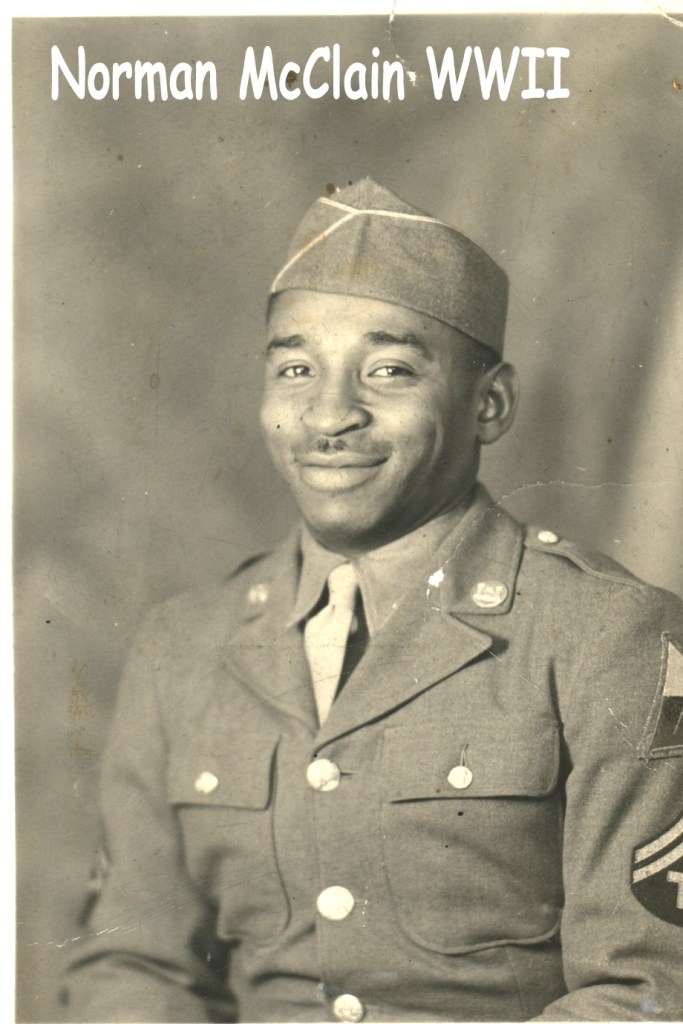
The town is also proud of its ancestors, taking joy in the photos and stories told by local historian Ria Baker, who is so full of knowledge, and it’s a privilege to hear her stories. She’s one of those people tucked away in these quiet little communities who never sits still; there is way too much to do, and way too many things to share.
High up on the hill in her tiny town of Alexandria sits a cemetery- well, two- and a church that needs help, in what is called the “Alexandria Historic Cemeteries District”. Interestingly, this little hill also holds a place in the history of W.E.B. Du Bois, best known for his role in chapter 4 of The Souls of Black Folk. The very families he wrote about in his book are buried on this hill.
When you stand on the hill, you can feel him here, and almost see him talking to Doc Burks, “a great, loud, thin Black, ever working, and trying to buy the seventy-five acres,” as well as the Dowells. The same souls he spoke about in his book, those that were a part of his daily life, are buried on this hill, many in unmarked graves.
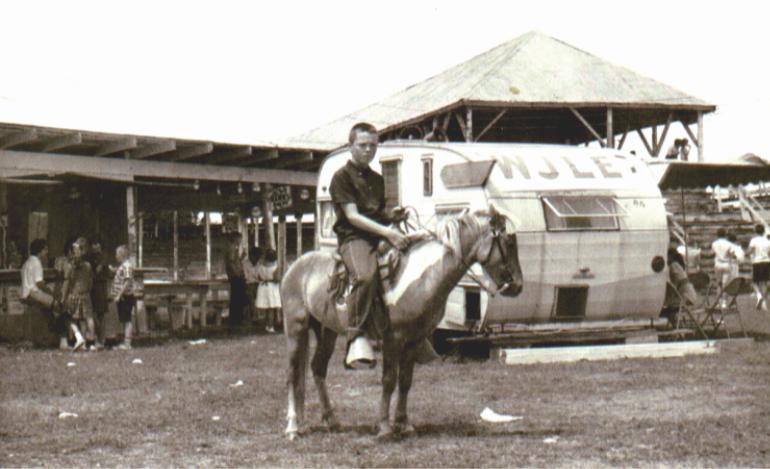
Although the original church Du Bois attended burned, the African American Community rebuilt it in the 1930s. The replaced structure still stands today, and when you stand on that hill overlooking Alexandria, you can feel Du Bois standing next to you, and if you listen carefully enough, you can hear him speak to you.
For two summers I lived in this little world; it was dull and humdrum. The girls looked at the hill in wistful longing, and the boys fretted and haunted Alexandria. Alexandria was “town,” — a straggling, lazy village of houses, churches, and shops, and an aristocracy of Toms, Dicks, and Captains. Cuddled on the hill to the north was the village of the colored folks, who lived in three-or four-room unpainted cottages, some neat and homelike, and some dirty. The dwellings were scattered rather aimlessly, but they centred about the twin temples of the hamlet, the Methodist, and the Hard-Shell Baptist churches. These, in turn, leaned gingerly on a sad- colored schoolhouse.
Over the years, that little church they built in the mid-1930s has suffered damage, and the cemeteries were hit hard; although the community wanted to take care of these things, resources were too limited, so it simply wasn’t possible. Walking through the African American side of the cemetery was almost impossible, as the growth was so severe; as well, some of the graves were so sunken that at one recent point a Tibia was found on the ground, and there was a severe risk of tripping and falling into a grave when attempting to walk through it.
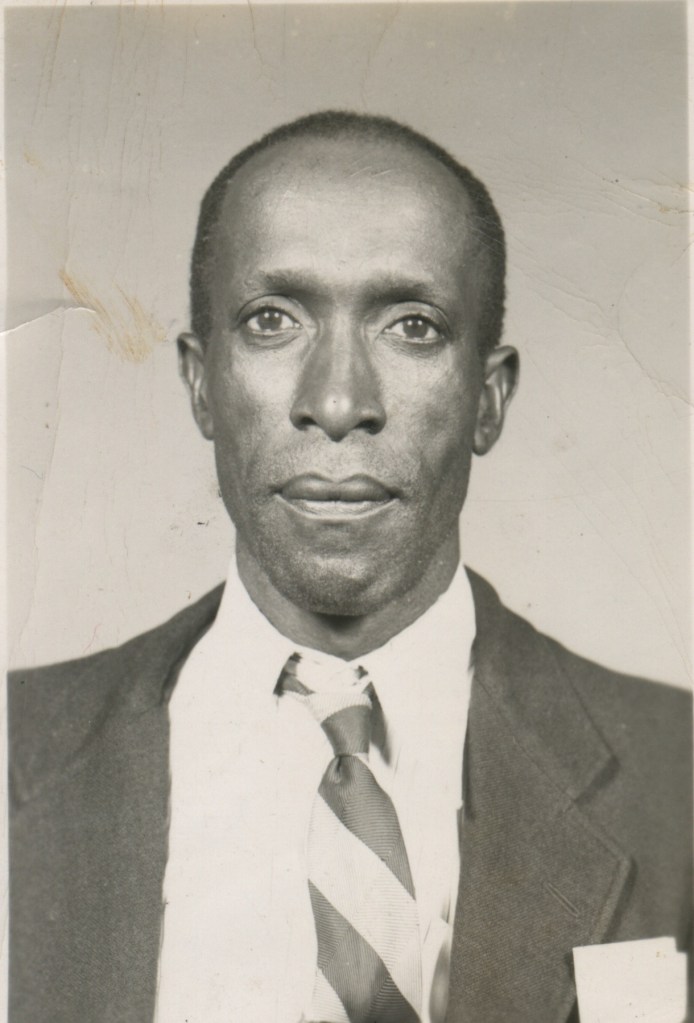
Through the work of MTSU in the 80s, in the process of the application for an official Historical District, they identified that there were upwards of 450 unmarked African American Graves on that hillside. Imagine that: 450 souls quietly buried with no marker, many who were born into Slavery, families who, when they had moved to Indiana or Illinois to simply look for work to make enough to feed their families, where the family scrimped just to get that body back to that hillside so they would be buried with family. But no funds for a tombstone, not even a simple concrete marker with a name written in as it dried.
However, that has changed for the better; Ria is a powerful soul, the kind that moves you with how much she cares. She’s the kind of soul that believes the impossible is plausible, and that it will work. She cares about her community, and she cares about preserving the heritage of this small town, the kind of heritage that we are losing every day in rural America to the march of time.
Over the last 18 months, she’s partnered with someone to help bring her vision to life. In that time, they’ve started the 501 (c) (3) – Friends of Alexandria Historic District. Unfortunately, just as they were getting underway, one side of the walls collapsed and lay in rubble on the ground, endangering the church’s interior and stressing the structural integrity of the remaining walls. This required a sharp shift in fundraising and how they allocated their limited funds.
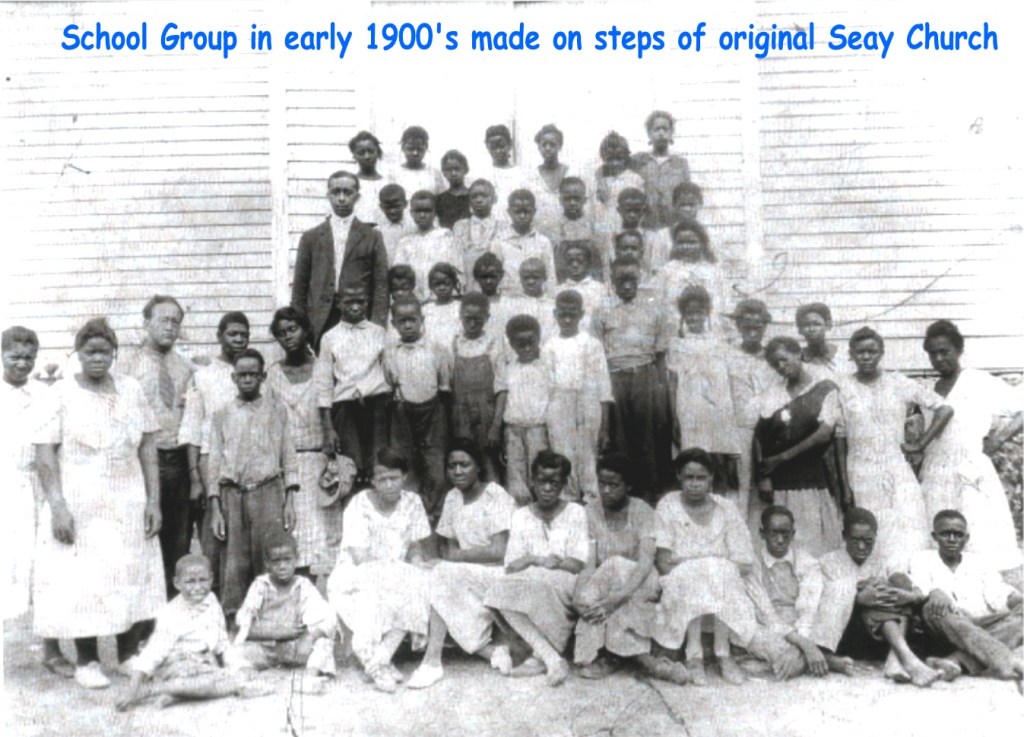
However, the community came together: one volunteer took it upon themselves to clear a good portion of the overgrown area; then a local company donated dirt to help fill the sunken graves, and 2 others showed up with excavators to move that dirt where it was most needed. Many other volunteers showed up to help fix and clean the stones, apply sweat equity where needed, while others researched the first 100 names of those buried without stones, with the first stone placed in June of this year. Funds were donated to help cover the cost of the next stone, which is hoped to be placed by the new year.
The research to unearth the African Americans who died before the invention of death certificates, shortly after, and those who died out of state and were brought back is daunting. However, the research is rewarding, as in that journey you discover US Colored Troops, you read about just how close the families were, as well as the tragedies when young children were lost. It is hard to imagine losing a child, or those living to be 100 years old, being buried between the limestone and topsoil with nothing but a field marker to memorialize them.
However, the bigger piece was $6,000 needed to fix the fallen wall and raise it urgently, as every day it stayed down increased damage to the interior from rain and wildlife and risked other walls falling. However, we came up with an idea to raise awareness: use the power of history and people’s sense of community to raise those funds. She started sharing a story, with the next story a week later. Tucked in with that was an offer: if we could raise $100, we’d share the next story early.
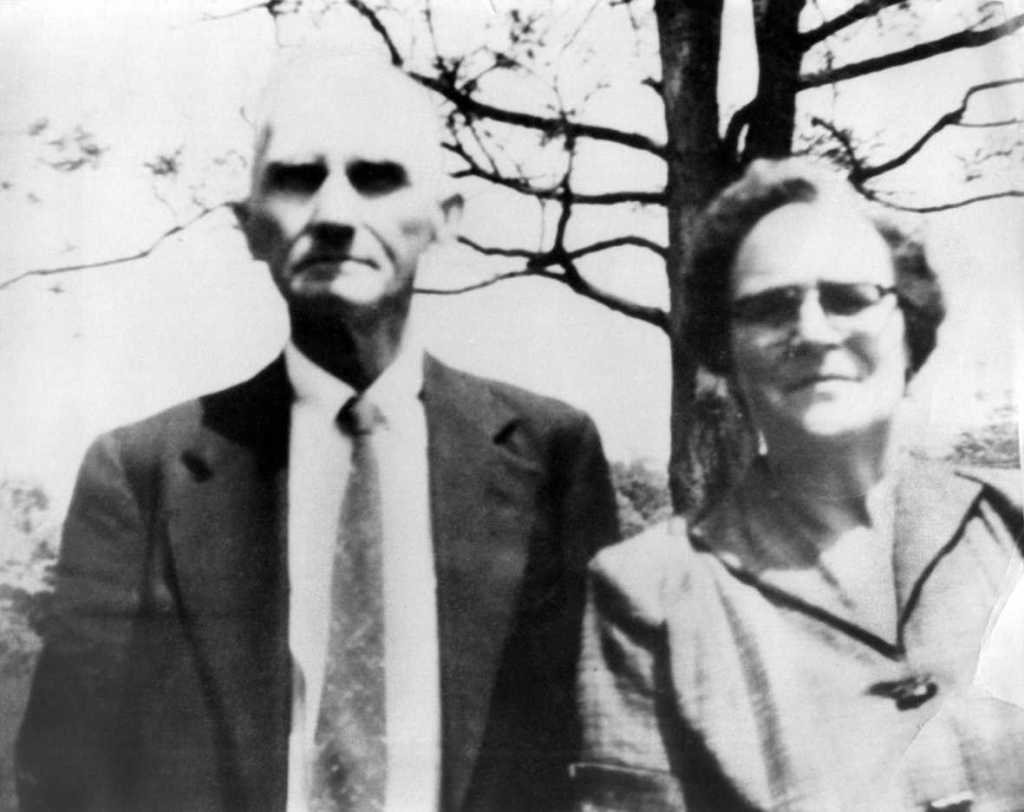
And that, my friends, is how the funds for the wall were raised in record time, funds contributed by the local businesses and residents, by Ria simply sharing the stories, the photos, and reminding people of the simple things that make this little town such a caring community over the last 200 years.
There is still a ton of work to do; there are still hundreds of tombstones that need cleaning and fixing; the church still needs over $100,000 in repairs including a new door so we can get in and out of it, and start using it; then the roof, with $12,000 of that for just repointing the walls that are standing to keep them safe, drainage, foundation, electrical, and then the cosmetic things and hoping the damage for the time the wall was down isn’t severe.
Thank you, Ria, for caring so deeply and for inspiring others to care, too. Thank you for protecting this sacred church, honouring the people buried on that hillside, and giving this community a renewed reason to take pride in its small corner of the world.
I like to imagine W. E. B. Du Bois standing there still, looking down over Alexandria with the Burks and Dowell families beside him, knowing that this place—and the stories it holds—will not be forgotten.
To learn more about the Friends of Alexandria’s Historic District, or to consider donating toward the church restoration, please visit our website or Facebook page.
https://alexandriahistoriccemeteriesdistrict.com/ https://www.facebook.com/FriendsOfAlexandriasHistoricDistrict
Written by:
Kristina Wheeler
August 28, 2026
alexandriahistoriccemeteries@gmail.com

 Trix's Trax